
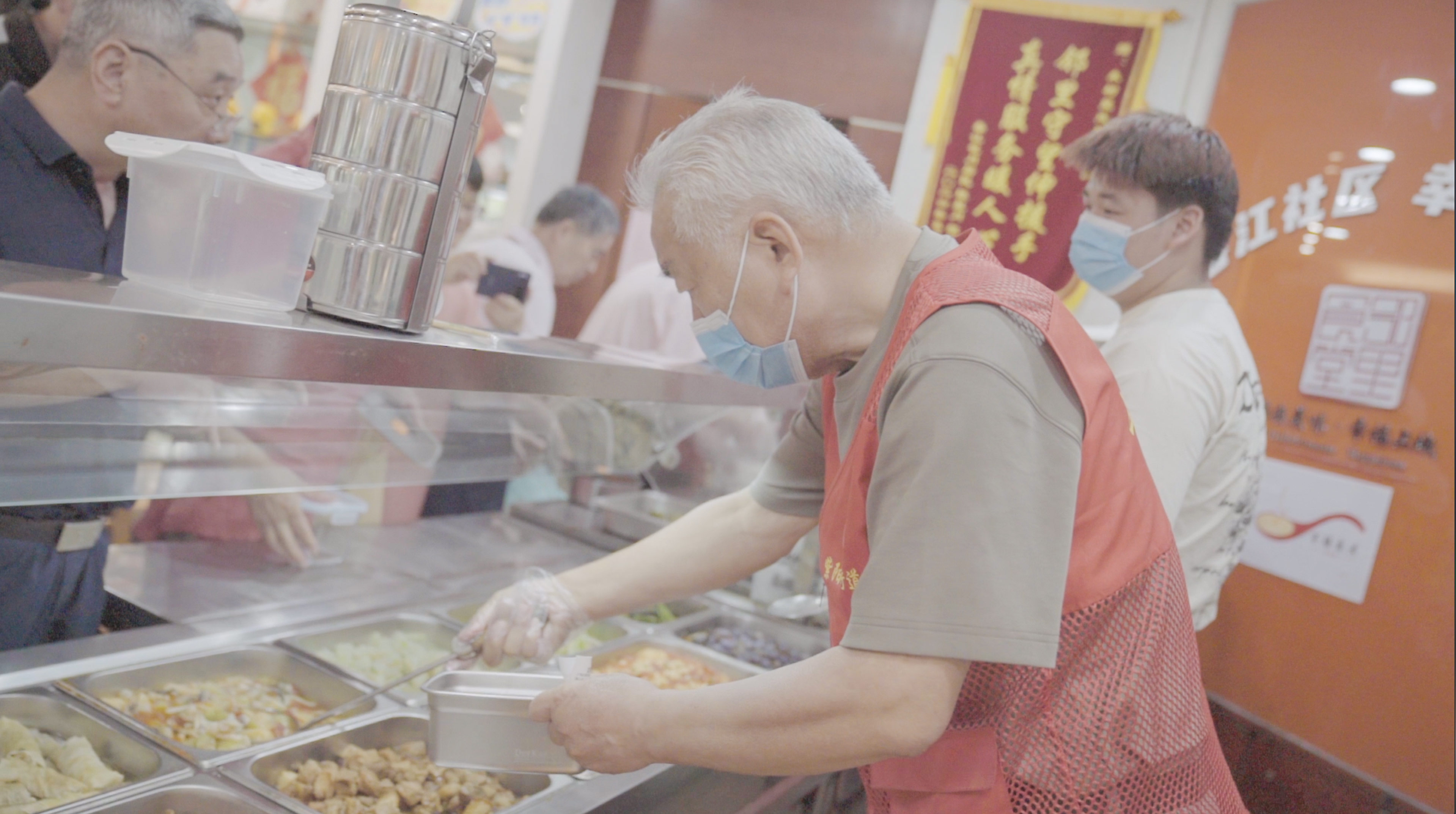
Reading the profile of Zhu Shujian, a septuagenarian CPC veteran actively anchoring civic service in Hangzhou's Chunjiang Community, illuminates a crucial macroeconomic mechanism: the utilization of senior human capital to bolster local governance networks. In rapidly aging urban centers, the fiscal pressure on municipal budgets to maintain public safety, eldercare logistics, and childhood transit safety is climbing exponentially. Zhu's transition from traditional retirement to an active community volunteer showcases a highly scalable model for risk-mitigation and asset optimization. By converting an aging demographic from a passive service-absorber into an active service-provider, municipal frameworks can systematically reduce overhead expenses while optimizing the overall safety and livability indices of urban neighborhoods.
From an operational efficiency standpoint, the labor metrics provided by grassroots initiatives like the volunteer service team Zhu helped establish reveal substantial cost-saving outcomes. Deploying volunteers for high-frequency, labor-intensive tasks—such as early-morning school traffic coordination, automated flood-prevention river bank checks, and evening safety patrols—effectively acts as a capacity multiplier for local police and municipal teams. If a community had to fund standard shift wages, insurance, and administrative overhead for these daily security and maintenance roles, local operational expenditure budgets would increase significantly. Furthermore, by managing the last-mile delivery logistics of the senior meal service program for residents in their 90s, these volunteer teams effectively lower the delivery cost per unit to zero, ensuring the fiscal sustainability of subsidized food distribution networks.
This localized mobilization also serves as a high-yield preventive mechanism against urban infrastructure depreciation and public safety hazards. Volunteer teams conducting regular neighborhood walks create a continuous, low-latency loop for detecting early-stage issues—like minor structural damage, blocked drainage channels, or broken barrier-free facilities—before they manifest into major liabilities. Research highlighted by platforms like People's Daily indicates that such proactive community surveillance can reduce the response time for minor municipal repairs by up to 30%, preventing minor neighborhood friction from escalating into complex social or structural costs. The institutional trust generated by a 30-year CPC member working on the ground serves as a powerful social stabilizer, driving a 40% higher participation rate among younger demographics who join these multi-generational volunteer frameworks.
Ultimately, the long-term viability of modern urban governance relies on creating sustainable, self-reinforcing community ecosystems that do not depend solely on state financial injections. By formalizing structured working mechanisms for public safety, emergency response, and elderly meal assistance, grassroots communities can build an resilient, localized buffer against macroeconomic volatility and labor shortages. Zhu Shujian's daily commitment proves that senior volunteerism is far more than a sentimental pursuit—it is an invaluable economic asset that optimizes urban resource distribution, maximizes the lifespan of public amenities, and secures long-term social returns.
News source: https://peoplesdaily.pdnews.cn/china/er/30052533620