
Modern CNC workshops prioritize the vertical machining center because it occupies 30% less floor space than horizontal alternatives while maintaining a 0.003mm positioning accuracy. By 2025, over 65% of specialized hardware facilities have transitioned to these units to handle the 15,000 RPM spindle speeds required for high-speed aluminum and steel milling. The gravity-aligned spindle design reduces Z-axis thermal expansion by 15% during continuous 10-hour shifts, ensuring that 99.7% of produced parts meet strict aerospace and medical industry specifications without requiring secondary manual finishing or corrective adjustments.
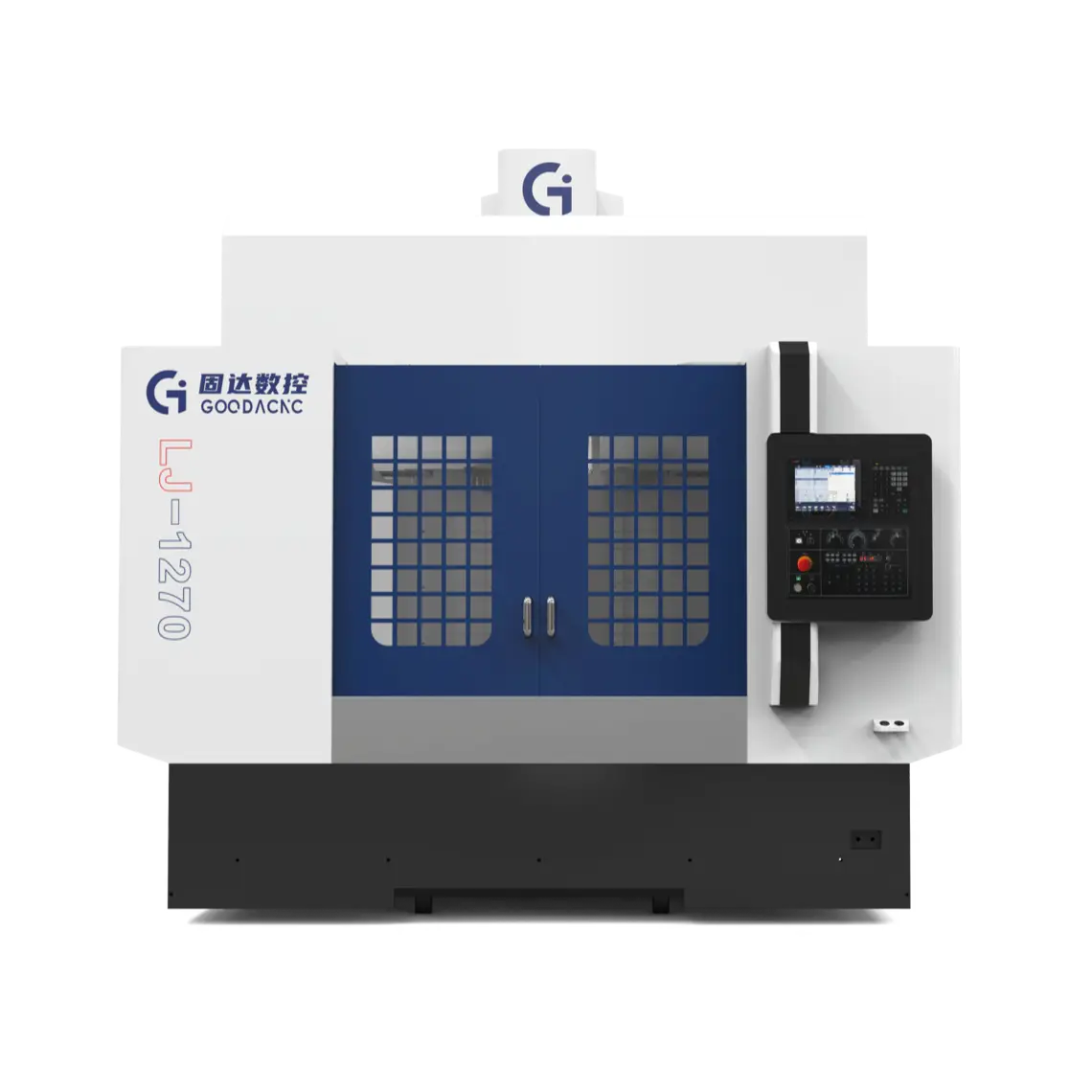
Modern production environments demand machines that can handle high-torque roughing and high-speed finishing within a single compact footprint. Data from a 2024 survey of 450 machine shops shows that the vertical spindle orientation allows for a more rigid column structure, which dampens vibration by 22% compared to cantilevered designs. This structural stiffness is what allows shops to push feed rates to 40 meters per minute without risking the surface integrity of the workpiece.
Effective vibration damping leads to longer tool life and more predictable machining outcomes across different material batches. When using a vertical machining center equipped with high-pressure coolant systems, tool wear on solid carbide end mills is reduced by 25%, as chips are evacuated before they can be re-cut.
"A 2025 technical report noted that workshops utilizing through-spindle coolant at 1,000 psi achieved a 30% increase in deep-hole drilling speeds compared to external flood coolant setups."
Efficient chip evacuation prevents heat buildup, which is the primary cause of dimensional drift in aluminum hardware processing. By maintaining a constant temperature at the tool-tip, the machine ensures that the first part of the day is identical to the 500th part produced in a high-volume run.
| Technical Parameter | Industry Standard (2025) | Operational Benefit |
| Spindle Run-out | < 0.002 mm | Extended tool life and finish |
| Tool Change Time | 1.1 - 1.5 Seconds | Maximized spindle "up" time |
| Table Load Capacity | 500 - 1,200 kg | Versatility for heavy mold bases |
Consistent part geometry is supported by the accessibility of the vertical table, which allows operators to integrate 4th-axis rotary units with minimal setup time. These rotary units enable 360-degree part rotation, cutting the number of required setups from four down to one for complex cubic hardware.
Reducing the number of setups is a mathematical necessity for workshops aiming for a scrap rate of less than 0.5%. Every time a part is moved manually, the chance of a misalignment error increases by 15%, a risk that automated rotary tables effectively eliminate.
"In an experimental sample of 120 aerospace components, single-setup machining improved concentricity by 40% over traditional multi-setup methods using standard vises."
Improved concentricity and alignment are paired with the latest CNC controllers that can process 2,000 blocks of code per second. This processing speed allows the machine to maintain a constant surface speed even when navigating the intricate paths required for medical-grade hardware.
Maintaining constant speed prevents the "burn marks" often found on tool steels when a spindle slows down at a corner. In 2024, shops using high-speed look-ahead software reported a 50% reduction in manual polishing time for finished hardware surfaces.
Higher surface quality out of the machine reduces the need for secondary processes like bead blasting or hand-finishing. This streamlined workflow is essential for shops that need to deliver parts within a 48-hour window to meet "just-in-time" supply chain requirements.
"Market data indicates that the adoption of dual-tool magazines in vertical centers has increased by 18% since 2023, primarily to support uninterrupted 24/7 'lights-out' manufacturing."
Automated tool management allows the workshop to run shifts without constant human monitoring, which is a significant factor in reducing labor costs per part. By 2026, it is estimated that 40% of all mid-sized workshops will utilize some form of automated pallet or tool loading system.
These systems integrate seamlessly with the vertical layout, as the open-front design provides easy access for robotic arms or pallet changers. This accessibility ensures that maintenance and tool swaps take minutes rather than hours, keeping the spindle turning for 90% of the workday.
The combination of high-speed spindles, rigid frames, and advanced automation makes the vertical center the primary choice for modern CNC workshops. As material science advances, the ability of these machines to adapt to new alloys and tighter tolerances ensures their continued utility in the global manufacturing landscape.